

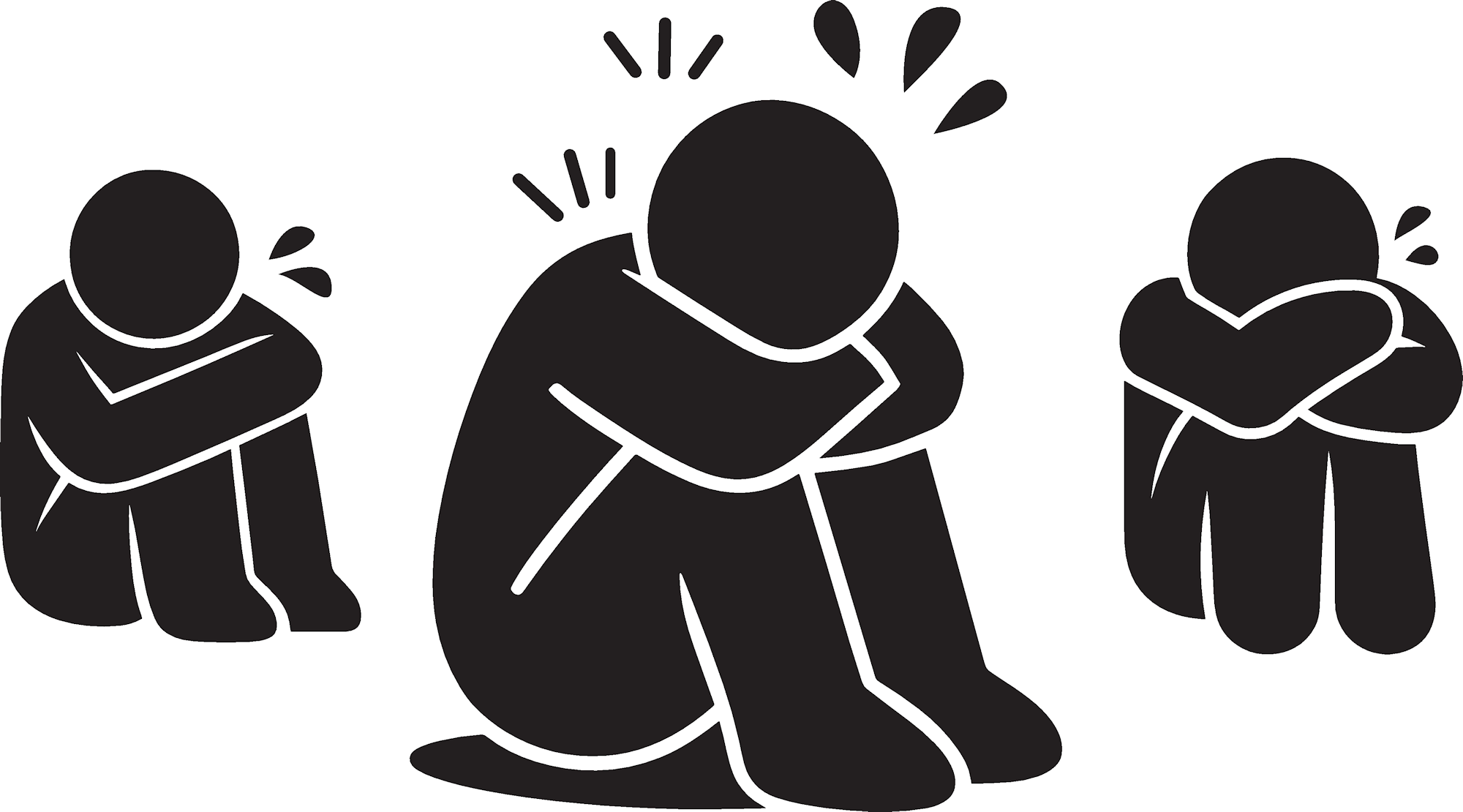
Depression is more than feeling sad—it is a serious mental health condition that affects thoughts, emotions, behaviors, and even physical health. People with depression may struggle with self-esteem, motivation, and connecting with others. Everyday life can feel overwhelming, and activities that once brought joy may no longer seem meaningful.
Depression comes in different forms, including major depression, mood disorders with cycles of highs and lows, and persistent low mood. If you are in Westchester or surrounding areas and notice these signs in yourself or a loved one, support is available. Evidence-based treatments like cognitive behavioral therapy (CBT) provide tailored strategies to manage symptoms, improve mood, and regain control over daily life.
Major Depression
Major depression is a severe form of depression that can make even routine tasks feel impossible. Common symptoms include:
- Persistent sadness or emptiness
- Loss of interest in hobbies, work, or social activities
- Fatigue and low energy
- Changes in sleep or appetite
- Difficulty concentrating or making decisions
- Feelings of guilt, worthlessness, or hopelessness
Symptoms vary from person to person, but all interfere with daily functioning. Early intervention with therapy or other treatments can help individuals regain stability, improve quality of life, and strengthen personal and professional relationships.
Bipolar Disorder and Mood Cycles
Bipolar disorder involves shifts between elevated and low moods that can affect energy, behavior, and daily functioning. Symptoms may include:
- Periods of elevated or irritable mood, including:
- Increased energy or restlessness
- Decreased need for sleep
- Racing thoughts or impulsivity
- Periods of low mood, including:
- Sadness or loss of interest
- Fatigue and low motivation
- Changes in sleep or appetite
- Difficulty concentrating
Symptoms and patterns vary from person to person, but can interfere with daily life. With appropriate treatment and support, many individuals are able to manage mood changes, improve stability, and function well in their personal and professional lives.
Persistent Low Mood
Persistent mild depression, or dysthymia, is a long-lasting low mood that may seem less intense but can affect daily life for years. Symptoms often include:
- Low energy and motivation
- Poor self-esteem
- Irritability or frustration
- Trouble focusing or making decisions
Mild, chronic symptoms can impact relationships, work, and overall well-being. With proper guidance and therapy, individuals can manage symptoms effectively and enhance daily functioning.
For more information, read a patient-friendly guide to depression and related disorders from MedlinePlus.